Most of us pass a street dog or a cow at a junction without thinking about who is responsible for it. The honest answer is: it depends, and often nobody is. That gap is what animal welfare NGOs in India work in, and the shape of their work is more varied than a rescue photo suggests.
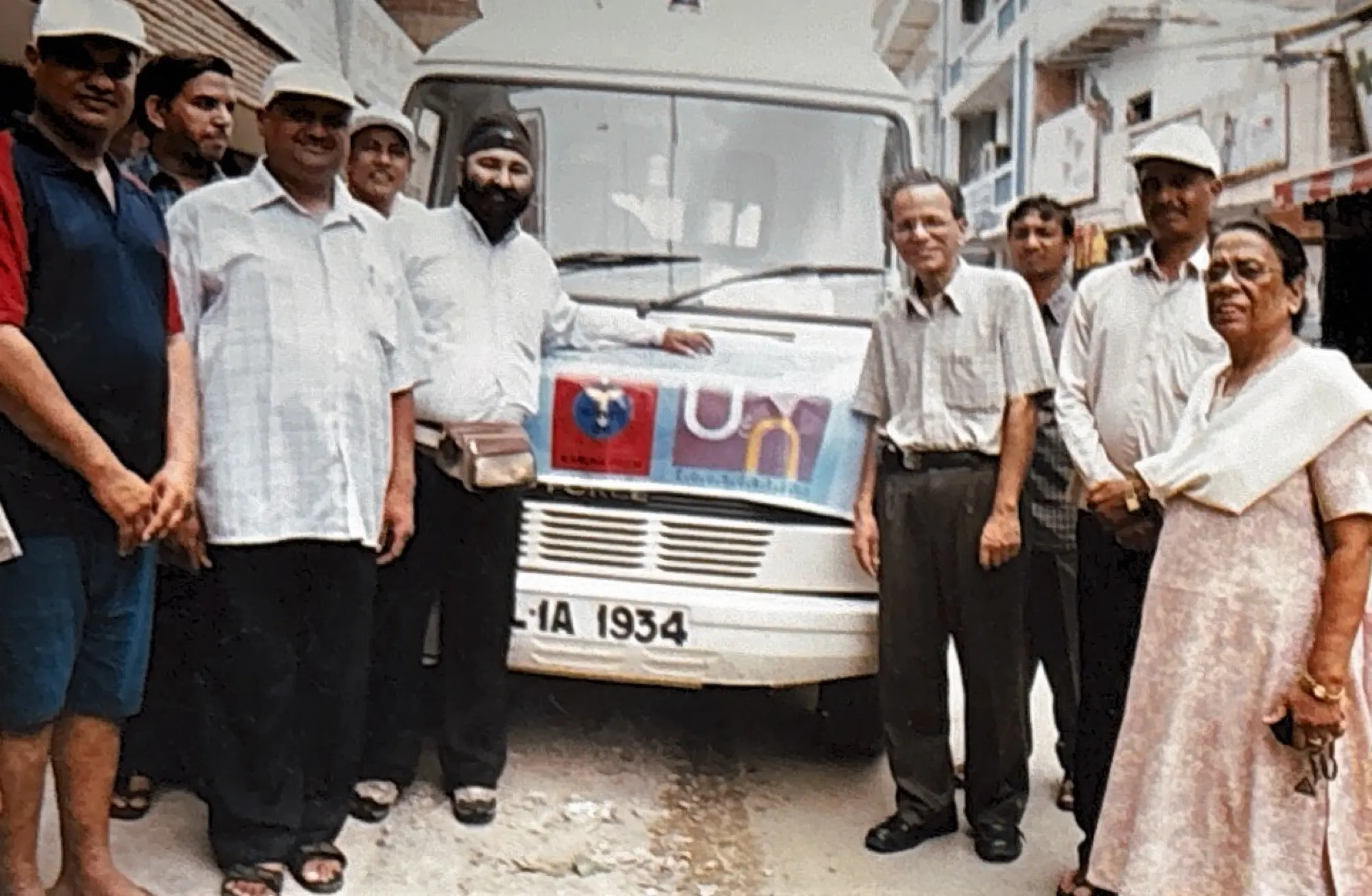
The U & N Foundation (UNF), a Saket-based NGO in New Delhi, supports five animal welfare projects: Gau Seva, Happy Cow, Pakshidham, Pawsitive and StrayCare. This post uses them to show what animal care actually involves, day to day, and what to look for in any organisation you might support.
The scale of the problem
The latest official count I could verify comes from the 20th Livestock Census (2019). The Ministry of Fisheries, Animal Husbandry and Dairying reported about 50 lakh stray cattle and 153 lakh stray dogs in India. For Delhi, a 2025 Rajya Sabha reply lists 12,163 stray cattle and 60,472 stray dogs from the same census. Treat these as approximate counts that are now several years old.
On who is responsible, the ministry's position is that public health, sanitation and cattle pounds fall under State and UT governments, and that local bodies need to evolve ways to control stray animals. The same release notes that many States are setting up gaushalas and shelters. It also cites Section 3 of the Prevention of Cruelty to Animals Act, 1960, which makes it the duty of every person with care or charge of an animal to take reasonable measures to ensure its well-being and prevent unnecessary pain and suffering (2022).
Put plainly: responsibility is shared, funding is thin, and NGOs and individuals carry a lot of the daily work.
Dogs and cattle are different problems
The same census numbers show why one approach does not fit both. Nationally there are roughly three stray dogs for every stray cow or bull. In Delhi's count the ratio is closer to five to one (60,472 against 12,163; my arithmetic from the figures above). A dog problem is mostly about food, vaccination, injuries and street safety, in neighbourhoods where people live close to the animals. A cattle problem is about land, fodder, water and shelter, and about what happens to an animal that is no longer useful to an owner.
NGOs tend to specialise accordingly. A feeding and rescue group needs a vet on call and a foster network. A gaushala partner needs steady supplies and infrastructure that does not stop being needed in a bad month. UNF's projects split along that line, which makes them easy to compare. Pakshidham sits in a third category: a village-level shelter for birds and cattle that is tied to orchards and water.
How stray dog and cat care works
Street-animal care works in layers, and UNF's two stray-animal projects each cover one.
Layer one: feeding and basic safety (Pawsitive)
The Pawsitive Initiative focuses on stray dogs and cats. It runs a daily feeding programme, distributes reflective collars so animals are visible to drivers in low light, hands out warm jackets in winter, and builds eco-friendly capsule homes as shelters. Each item targets a specific cause of suffering: hunger, road accidents, cold and exposure.
Layer two: rescue and treatment (StrayCare)
The StrayCare Initiative covers rescue operations for dogs that need vaccinations or are injured, immediate medical care, rapid response to accidents, and rehabilitation and rehoming through shelters or foster homes. This is the expensive layer. A single road accident can mean surgery, weeks of recovery and a search for a home.
The person at the centre
UNF's story Arunima's Compassionate Journey: A Tail of Hope shows how both layers start with one individual. Arunima found a hungry, wounded stray and began feeding dogs in the neighbourhood. UNF says that "unable to turn a blind eye, she took it upon herself to become the voice for these voiceless creatures." With UNF's financial assistance she covered medical costs for rescued dogs, "from basic vaccinations to life-saving surgeries." The NGO's role was not to replace her, but to fund her. That is a useful model for any reader who already feeds a few strays and wonders how to do more.
How cow care and gaushalas work
Cow care is a different logistics problem. A dog needs a meal; a gaushala needs land, water, fodder storage and a vet, all year.
Gau Seva: infrastructure for a gaushala
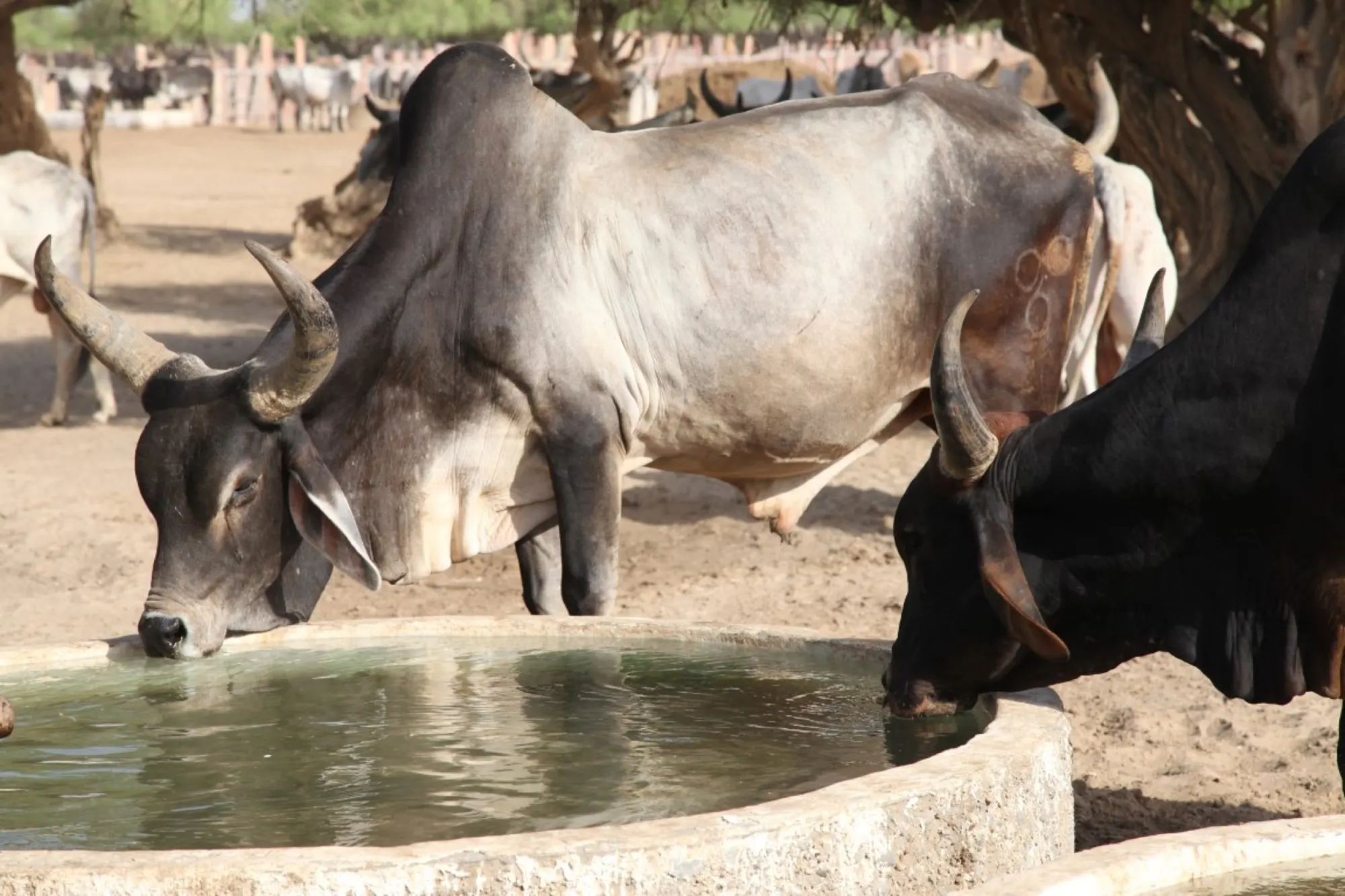
Gau Seva is UNF's collaboration with Shri Gopal Govardhan Gaushala. Its five initiatives read like a checklist of what a shelter needs: grass contributions, donated land for grazing and shelter, tubewell construction for a clean water supply, storage for food and grass, and medical assistance including veterinary care and vaccinations. The related story, Honoring Heritage, describes a gaushala in Rajasthan where two cows fell ill with a disease and recovered after "immediate and comprehensive treatment" and medicinal supplies.
Happy Cow: sustained care and trained caretakers
The Happy Cow Project, with Shri Bhupal Singh Dhariwal Public Charitable Trust, provides dry grass and animal food and helps maintain the cowshed. The story From Job to Passion is about the human side: a caretaker named Ranjan learned about nutrition, hygiene, medical care and cow behaviour, and the story says that he "became not just a caretaker but a guardian." Animal welfare depends on the people who clean the sheds every morning, and training them is as important as buying feed.
Pakshidham: birds, cattle and a village
Pakshidham, with Shani Dham Trust in Hingawas, supports orchards, fodder and water facilities. UNF says the Pakshi Dham and Cattle Shelter caters to thousands of birds and cattle daily. In From Seeds to Sanctuary, Raju describes how villagers adopted eco-friendly practices and spread awareness. The project treats animals, trees and people as one system.
What to look for in an animal welfare NGO
This is general guidance, not UNF's claim. Before you donate or volunteer:
- Ask where the money goes. Feed, vaccines, surgery and shelter upkeep are real costs. A vague answer is a warning.
- Look for a vet in the picture. Rescue without veterinary care often ends in a slower death.
- Ask about rehoming and limits. A shelter that never says "we are full" is probably not counting.
- Check that registration is verifiable. A government portal such as NGO Darpan issues unique IDs to NGOs, although the information is self-declared, so treat it as a first check and not proof.
- Prefer groups that work with local people. Caretakers, villagers and neighbours who feed animals are what keeps a project alive after the funding ends.
What you can do this week
These are general suggestions, not UNF claims.
- If you already feed strays, do it at a regular time and place, and keep the area clean so neighbours are less likely to object.
- Save the number of a vet or a rescue group before you need one.
- Fund care rather than only collecting items: vaccinations and surgery are what most small rescuers cannot afford.
- Offer a skill. UNF's volunteer page mentions event coordination, awareness campaigns and project management among the roles on offer.
To ask about UNF's animal welfare work, write to info@unf.in or use the contact page. You can see the full list on the Animal Welfare page.
Frequently asked questions
How many stray dogs and cattle are there in India?
The 20th Livestock Census (2019) counted about 153 lakh stray dogs and 50 lakh stray cattle, according to the Ministry of Fisheries, Animal Husbandry and Dairying. These are approximate counts and several years old.
What animal welfare projects does UNF run?
UNF's animal welfare projects are Gau Seva, Happy Cow, Pakshidham, Pawsitive and StrayCare. They cover gaushala support, cowshed care, a bird and cattle shelter in Hingawas, daily feeding and shelters for stray dogs and cats, and rescue and rehoming of stray dogs.
What does a gaushala need to run well?
UNF's Gau Seva project lists grass, land for grazing and shelter, a tubewell for clean water, storage for food and grass, and veterinary care with vaccinations. Trained caretakers matter too.
Is there a legal duty to care for animals in India?
Section 3 of the Prevention of Cruelty to Animals Act, 1960 makes it the duty of every person having care or charge of an animal to take reasonable measures to ensure its well-being and prevent unnecessary pain and suffering, as cited by the Ministry of Fisheries, Animal Husbandry and Dairying in 2022.
How can I help stray animals in Delhi?
Feed at fixed times, support vaccination and treatment costs, and contact a registered rescue group for injured animals. You can also ask UNF about volunteering at info@unf.in.
Sources
Be part of the work
Volunteer, partner or support a project with U & N Foundation.