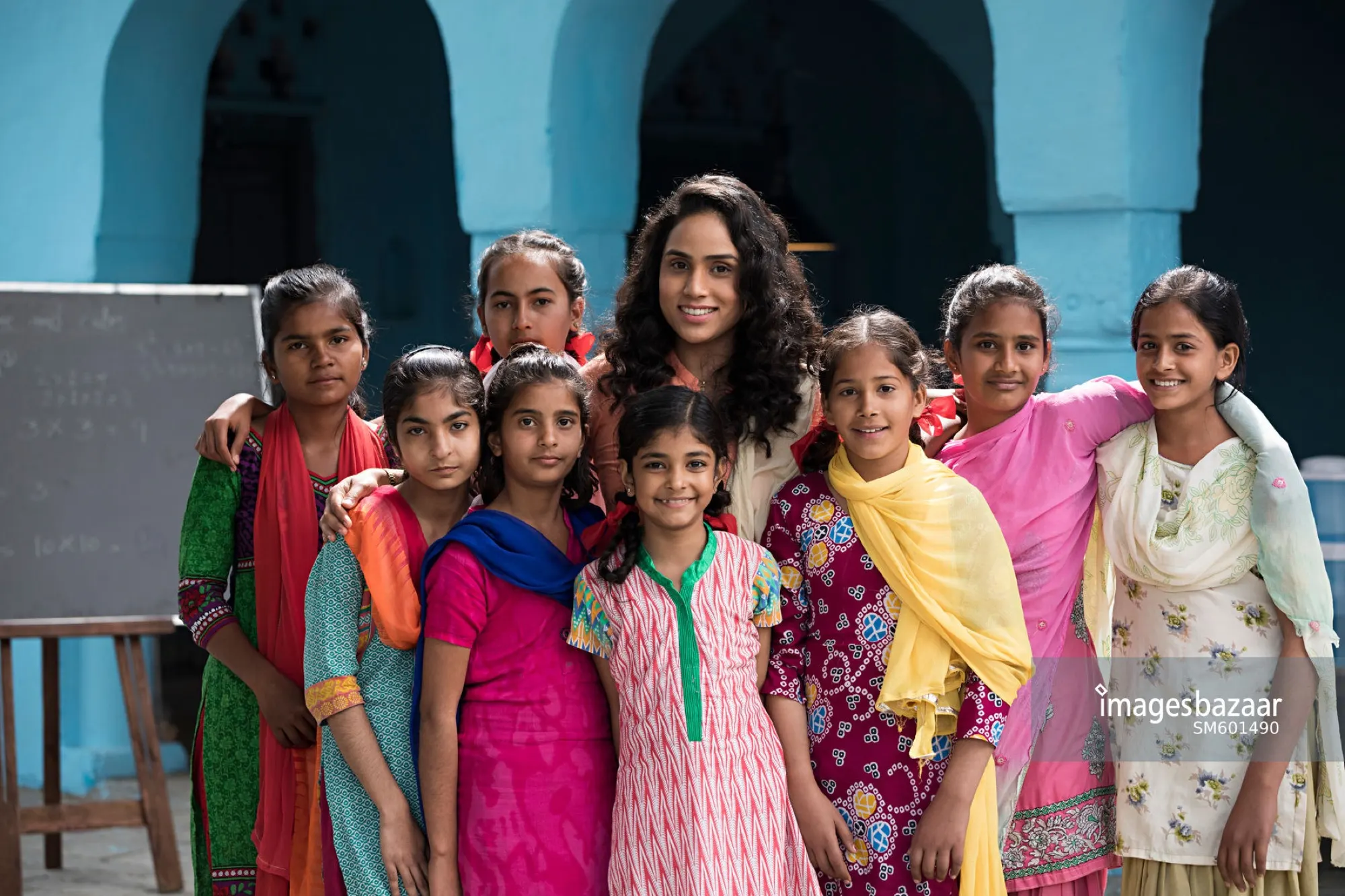
Wanting to volunteer takes a minute. Getting from that to a first shift takes most people months, or never happens, because the steps are unclear. Which NGO? What do they actually need? Will anyone reply to an email?
This guide lays out the steps in order. It uses the process published by the U & N Foundation (UNF), an NGO based in Saket, New Delhi, as a worked example, and adds general advice on checking any organisation. Where something is UNF's own statement I say so. Where it is general guidance, I say that too.
Step 1: Decide what you can give, not only what you care about
The usual advice is to pick a cause. That is half the question. The other half is what you can reliably offer: a weekly hour, a skill, a weekend a month, a professional qualification. A cause you love but cannot show up for helps nobody.
UNF's volunteer page lists three things volunteers get from it, which also tell you what the organisation expects to offer:
- Purposeful engagement: work on projects that directly affect individuals and communities.
- Diverse opportunities: roles matched to your skills, interests and availability, including community outreach, event coordination, project management and awareness campaigns.
- Skill development: experience in project management, community development and teamwork.
UNF's home page says its volunteers can contribute in education, healthcare, women empowerment, skill building and infrastructure development, whether that means teaching, offering medical expertise or contributing to building sustainable projects.
Step 2: Match yourself to a project you can see
The fastest way to a good fit is to read what an NGO actually does. At UNF that means browsing project pages. Some examples of what the work looks like:
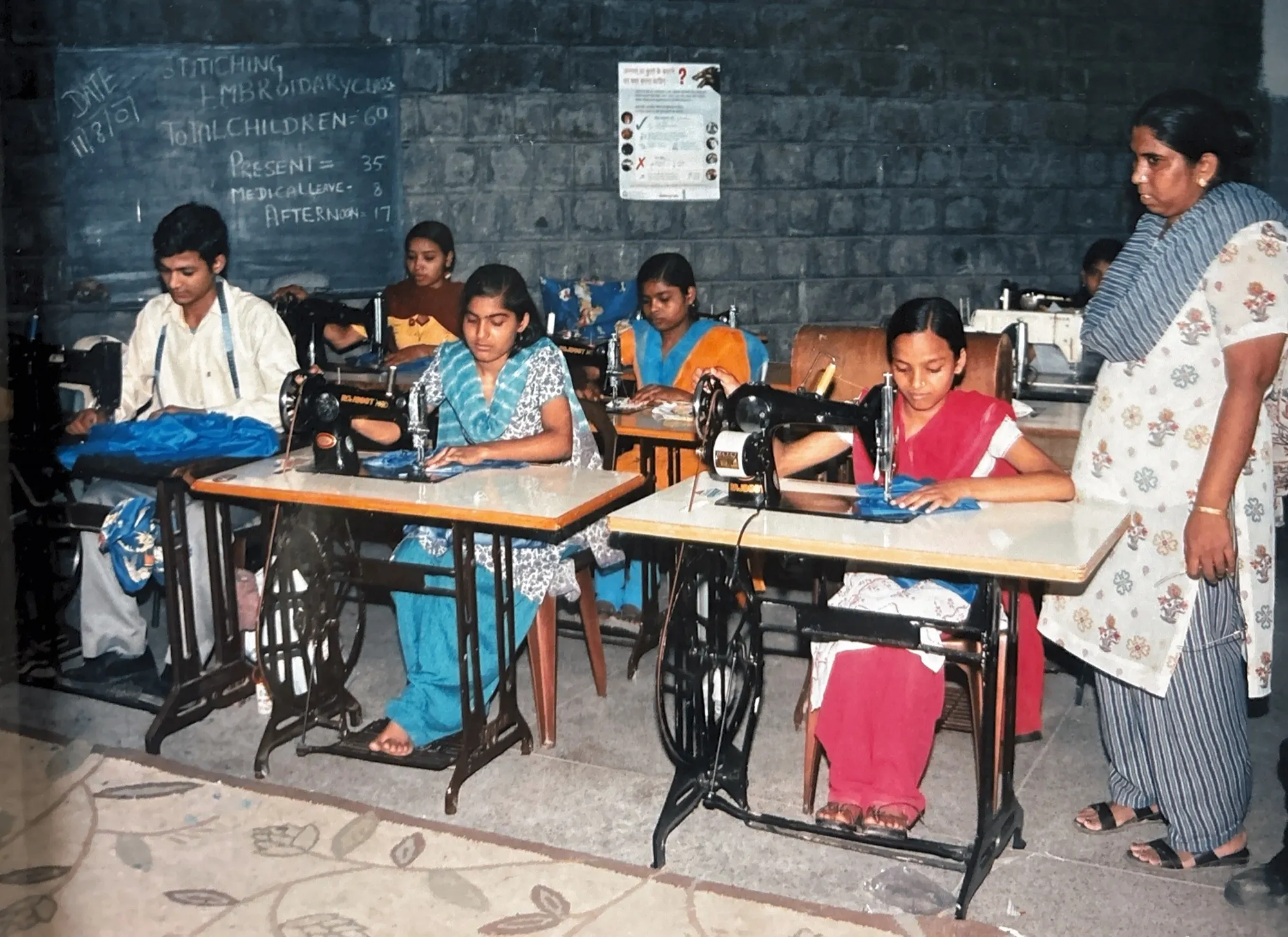
- Women's livelihoods: the Saheli projects teach sewing, embroidery, weaving, jewellery making, beauty culture and typing. See our guide to skill training for women, or the Silai Saheli page.
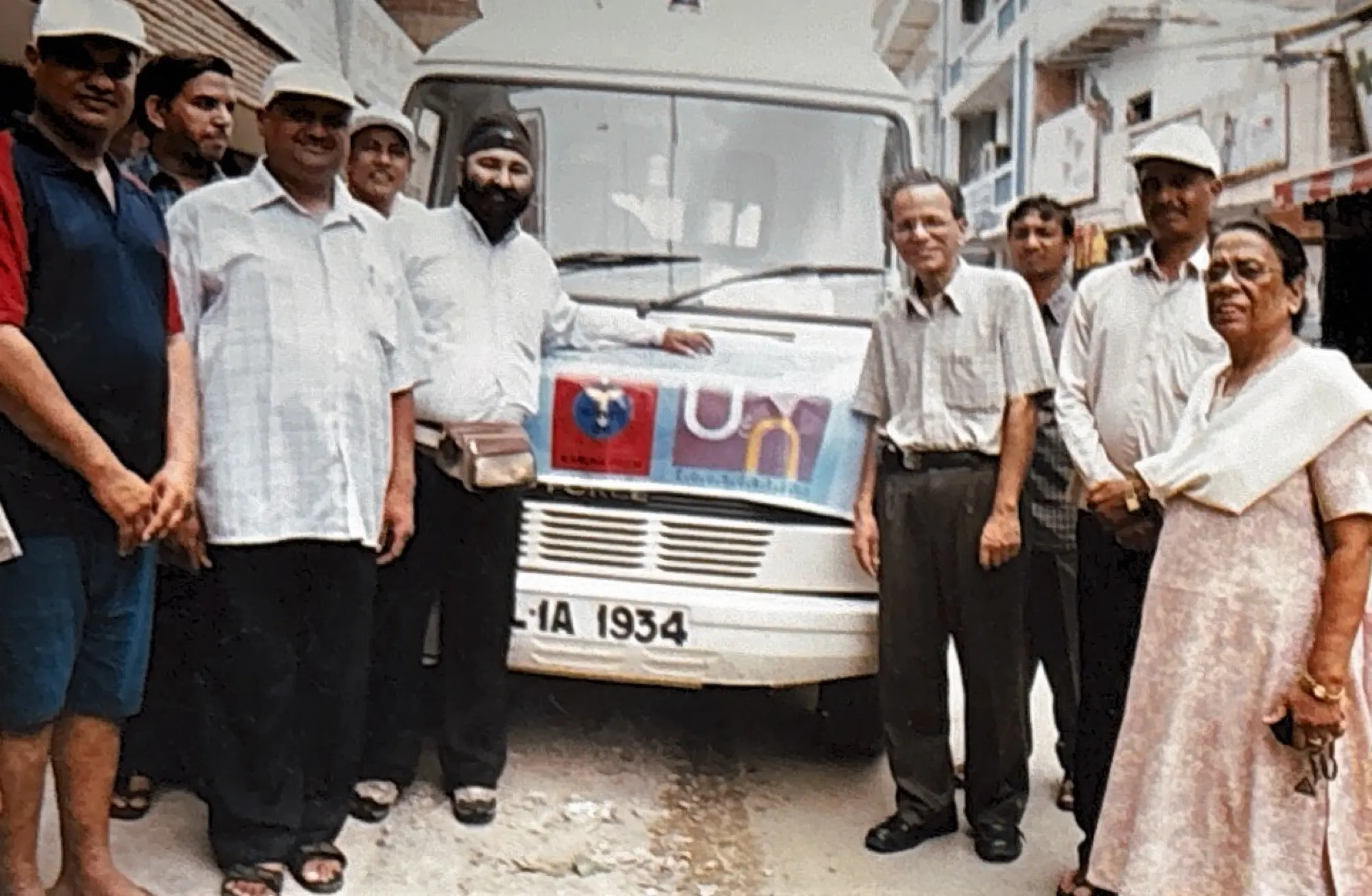
- Healthcare camps: Health-On-Wheels and the Mini and Mega Healthcare Programmes need doctors, dentists, paramedics and organisers. Read how they work in our post on mobile health camps.
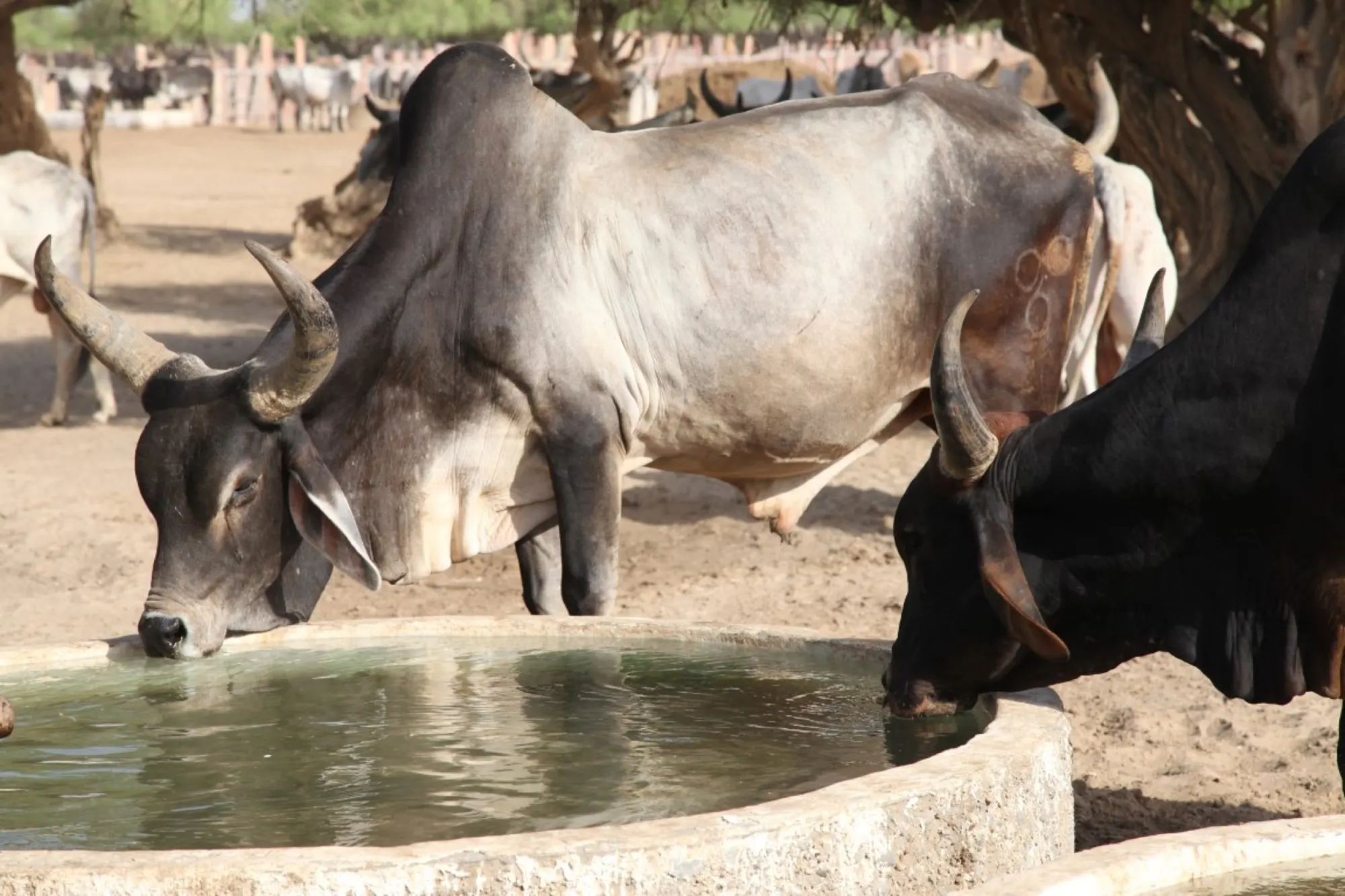
- Animal welfare: Pawsitive and StrayCare run feeding, rescue and rehoming for stray dogs and cats.
Having a project in mind makes your application specific. "I would like to help with healthcare" gets a polite reply. "I am a physiotherapist and can give two Saturdays a month" gets a conversation.
Step 3: Check the NGO before you commit
This is general guidance, not UNF's. A volunteer gives time, and sometimes access to vulnerable people, so a short check is reasonable.
- Is it registered and verifiable? The government's NGO Darpan portal (NITI Aayog) lets NGOs obtain a unique ID. The information is self-declared, so treat it as a starting point.
- Does it publish what it does? Look for named projects, partners and real case descriptions rather than only slogans.
- Is there a clear way to apply? A named email or phone number and a described process are a good sign.
- Does it mention orientation or supervision? If you will work with children or patients, you should not be dropped in unsupervised.
- Can you speak to a person? Call during working hours before you travel anywhere.
Step 4: Apply
UNF describes four steps: explore opportunities, submit an application, attend orientation and training, and get involved. The page asks applicants to share their skills, availability and their reasons for volunteering, and to "share your unique story" so UNF can see how your interests fit its mission. The page also says that if you find a role that suits you, you should send an email to info@unf.in expressing your interest, after which UNF will contact you about next steps, including any orientation or training.
The page mentions both an application form and an email route, so if you are unsure which to use, email first and ask. Write a short note that covers:
- Who you are and where you are based.
- The project or area you are interested in.
- What you can offer, with your days and hours.
- Relevant experience or qualifications.
- Why this work, in two sentences.
If you prefer to speak to someone, the contact page lists the office at 316/274, Ground Floor, Front Side, Westend Marg, Saket, New Delhi 110030, phone +91 11 47082424, open Monday to Saturday, 10 am to 7 pm.
Step 5: Orientation and training
UNF says new volunteers attend an orientation covering the organisation's ethos, values and projects, followed by tailored training sessions and guidance from experienced mentors. This is the step to take seriously. Ask in advance what you will be doing in your first week, who your point person is, and what is expected on safety if you are working with children, patients or animals.
For animals, for example, ask whether you need vaccinations, what to wear and what to do if an animal is aggressive. For a health camp, ask what role you play next to the doctors. A good NGO welcomes these questions.
Step 6: Get involved and stay
UNF's description of this step is about collaborating with a team of volunteers and staff. The practical reality of most volunteering is that reliability counts more than enthusiasm. A few habits help:
- Start small and be regular. A weekly shift you keep beats a big first weekend and then silence.
- Tell them early when you cannot make it. Plans depend on you.
- Ask what is most useful. It may be filing, driving or checking a spreadsheet, not the thing you pictured.
- Review at three months. Decide together whether to continue, change role or stop.
What volunteers do not always expect
You may spend more time on logistics than on direct contact with beneficiaries. You may feel under-used for a few weeks. You will hear stories that are hard. UNF's success stories include a survivor of domestic abuse, patients with untreated tuberculosis and a family with a father on dialysis. Those are real people; treat their stories with care and do not post photos or details without permission.
A realistic first month
Expect something like this, though every NGO differs. In week one you email or call, get a reply, and fix a date for an orientation. In week two you attend it, meet your point person and agree on a first task. In weeks three and four you do that task, ask what went well, and settle a regular slot. None of this needs to be dramatic. The volunteers who stay are usually the ones who treated the first month as a trial for both sides, and who said so honestly if the fit was wrong.
If it is not a fit, say so politely and move on. Leaving a role that does not suit you is better for the NGO than a slow fade where nobody knows whether you are still coming.
Questions worth asking on your first call
- What is the most useful thing a new volunteer can do in the first month?
- Who will I report to, and how do I reach them?
- Is there a minimum time commitment?
- Do I need any documents, such as ID or a medical certificate, for the role?
- How will you tell me if something I am doing needs to change?
UNF does not publish answers to these on its volunteer page, so ask them directly. Do not assume.
Other ways to help if you cannot volunteer in person
UNF's volunteer page invites skills across areas such as project management and awareness campaigns. Other options include sharing a project with friends, offering a professional skill remotely if the NGO agrees, or donating. If you represent an NGO or have a project of your own, UNF has a separate partnership page, which asks for a project proposal sent to the same email address.
Frequently asked questions
How do I volunteer with UNF?
UNF says to explore its opportunities, then email info@unf.in expressing your interest. After your application, the team contacts you about next steps, including any orientation or training. The volunteer page also describes an application form; email first if you are unsure.
Do I need experience to volunteer with an NGO in Delhi?
UNF says roles are matched to your skills, interests and availability and that it provides orientation, tailored training and mentor guidance. Experience helps for specialist roles such as medical work, but UNF does not state that it is required.
What kinds of volunteer roles does UNF offer?
UNF's page mentions community outreach, event coordination, project management and awareness campaigns, across education, healthcare, women empowerment, skill building and infrastructure development.
Where is UNF located and when can I contact them?
UNF's office is at 316/274, Ground Floor, Front Side, Westend Marg, Saket, New Delhi 110030. Contact hours are Monday to Saturday, 10:00 am to 7:00 pm. Phone: +91 11 47082424; email: info@unf.in.
How can I check that an NGO is genuine before volunteering?
Look for named projects and partners, a clear application process and a contact you can speak to. The government's NGO Darpan portal issues unique IDs to NGOs, though the information is self-declared, so treat it as one check among several.
Sources
Be part of the work
Volunteer, partner or support a project with U & N Foundation.